

Search Increase Font Size Decrease Font Size Restore Font Size  

Make a Donation
CAREgift Catalogue

CARE Newsletter Signup


2010 Press Releases


2009-11-23
CARE report studies attacks on Afghan schools

CARE report studies attacks on Afghan schools
Concludes more community engagement, less visible government and military involvement, is key to reducing attacks

OTTAWA, November 23, 2009 - Today CARE International, the Government of Afghanistan and the World Bank released Knowledge on Fire: Attacks on Education in Afghanistan, a groundbreaking study on violence against education in Afghanistan, looking at the factors that increase the risk of attack, and steps that can be taken to reduce the risk for students, schools and their staff.

Attacks on schools, students and education personnel are an alarming trend in Afghanistan. Throughout 2008 alone, 670 attacks on the Afghan education system were carried out including arson and the murder of teachers and students. According to the Afghan Ministry of Education, 230 people died as a result of attacks on schools, students and personnel between 2006 and 2007.

For the Knowledge on Fire report, more than a thousand people were interviewed including local shuras (councils), school principals, teachers, parents and students. Based on those interviews, and study of a database of attacks, the report found clear local patterns in the attacks and from those patterns reaches some important conclusions.

Some of the key factors that increase the risk of attack:

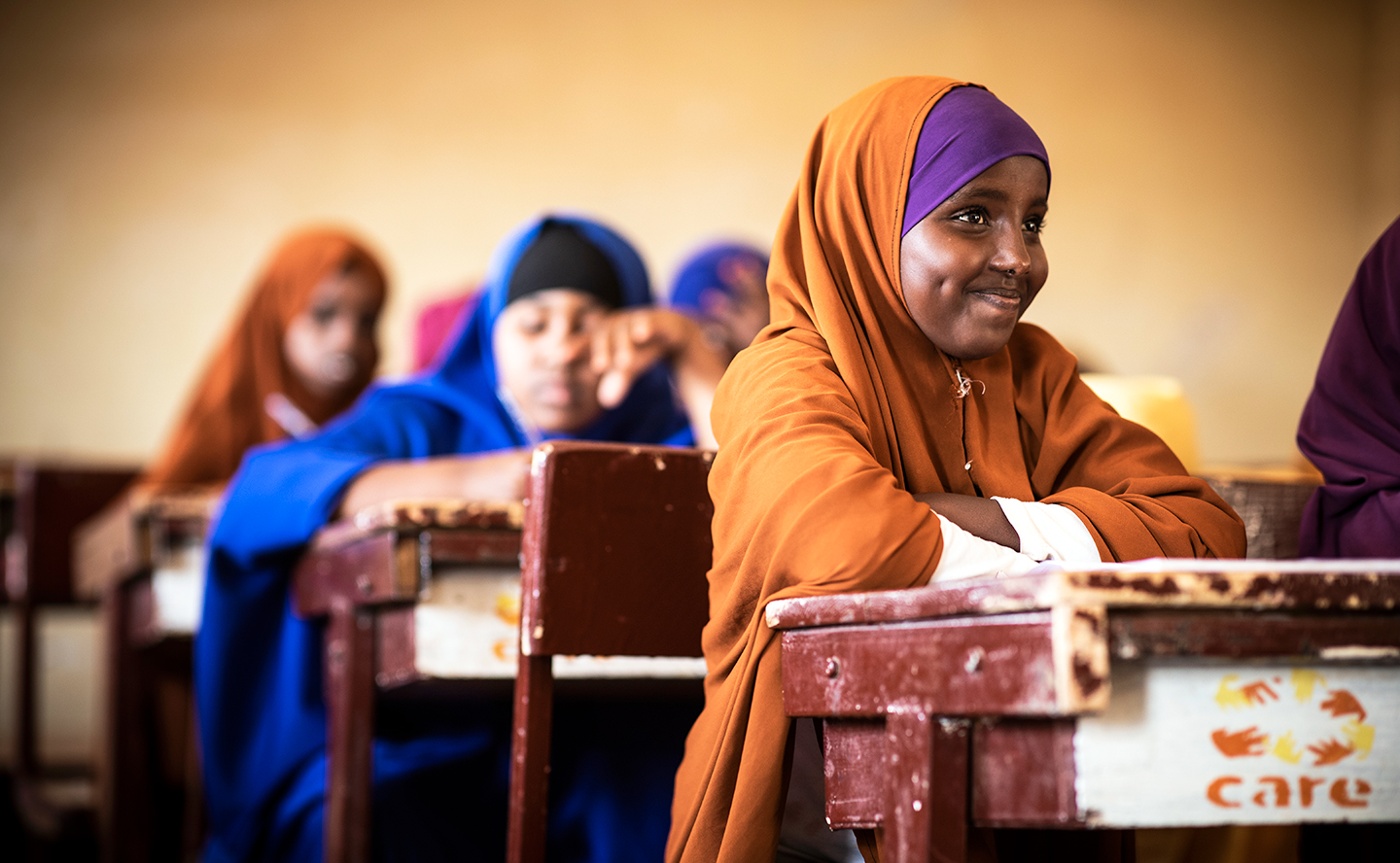
- The education of girls. Displeasure with girls in the education system is the most commonly cited reason for attacks, when a reason is mentioned. While girls’ schools constitute only 19 per cent of the total number of schools across the country, they are the victims of 40per cent of all attacks.
- Donor and international military force involvement. Communities are very aware of who funds local schools. Visits by Provincial Reconstruction Teams (PRTs) and funding from them can increase the risk of attacks on a school.
- Lack of consultation with communities before establishing a school. The study revealed that schools in communities which had asked for them were attacked less often. The level of community ownership of the school and the education process is directly related to the strength they exhibit in keeping the school safe.


“I’ve seen communities embrace education – including girls’ education – when they’re given leadership over local schools and ownership in improving security,” said Lex Kassenberg, Country Director for CARE in Afghanistan.

The report finds there are steps that can be taken to mitigate attacks on education in Afghanistan. These steps focus on decentralizing the decision-making and implementation of school protection mechanisms to the district and community levels, and providing all the support communities need to lead the school protection process. Some of the recommendations made in the report include:

- Engage in proactive awareness-raising about the importance of girls’ education. Strong promotion of education – girls’ education in particular – in local communities may establish a basic protective layer for schools.
- The local Afghan community needs to lead education projects. We have to decentralize the decisions from the high level international and national government level to the communities. They need to be involved at all levels. The communities themselves are the best placed to decide what are the best solutions for locating and for protecting their schools.
- Revise the policing policy for schools. Don’t assume an increased police or army presence near schools will help protect them or their students. In some cases, increased police presence may actually be detrimental to school security, as they themselves are the target of attacks in many provinces.
- Restrict PRT and broader military involvement in schools. PRTs are not a necessary player in Afghanistan education. The money that is now channeled through the PRTs for education can go through non-military funding mechanisms.
- Use discretion in locating schools and select discrete school structures. Schools should not be located in areas where they could be caught in the crossfire. Decreasing the obvious visibility of schools could also reduce the risk of attack.

In addition to these recommendations, CARE specifically detailed steps Canada should make to help decrease attacks on schools:

- First and foremost, an increased focus on education is required. Time and resources should be placed on the safety of schoolchildren, specifically the young girls who are at higher risk, to help them access education.
- Canada should extend its vision beyond Kandahar. Afghanistan is more than just Kandahar. Oftentimes aid is focused on conflict areas, meanwhile the rest of the country is neglected. However the safety of the entire country must be considered if Afghanistan is going to be stabilized. Education is key to stabilization.
- Canada should lead efforts to prioritize education in Afghanistan. Canada’s strong involvement in the country provides a unique opportunity to take a leadership role in making safe education a priority in Afghanistan. This report provides a starting point for Canada to influence policy to ensure the interest of Afghan children are priority in the decision making process.

“The decisions that our country makes now will shape Canada’s role in Afghanistan post-2011. We must have the foresight to find sustainable solutions for Afghans, and education plays a large part in this,” said Kevin McCort, President and CEO of CARE Canada. “Specifically, we must make education safe for girls. There is endless evidence that helping girls access education improves a country’

Meet Jennifer Rowell, Advocacy Coordinator for CARE in Afghanistan.


Go back


Home